
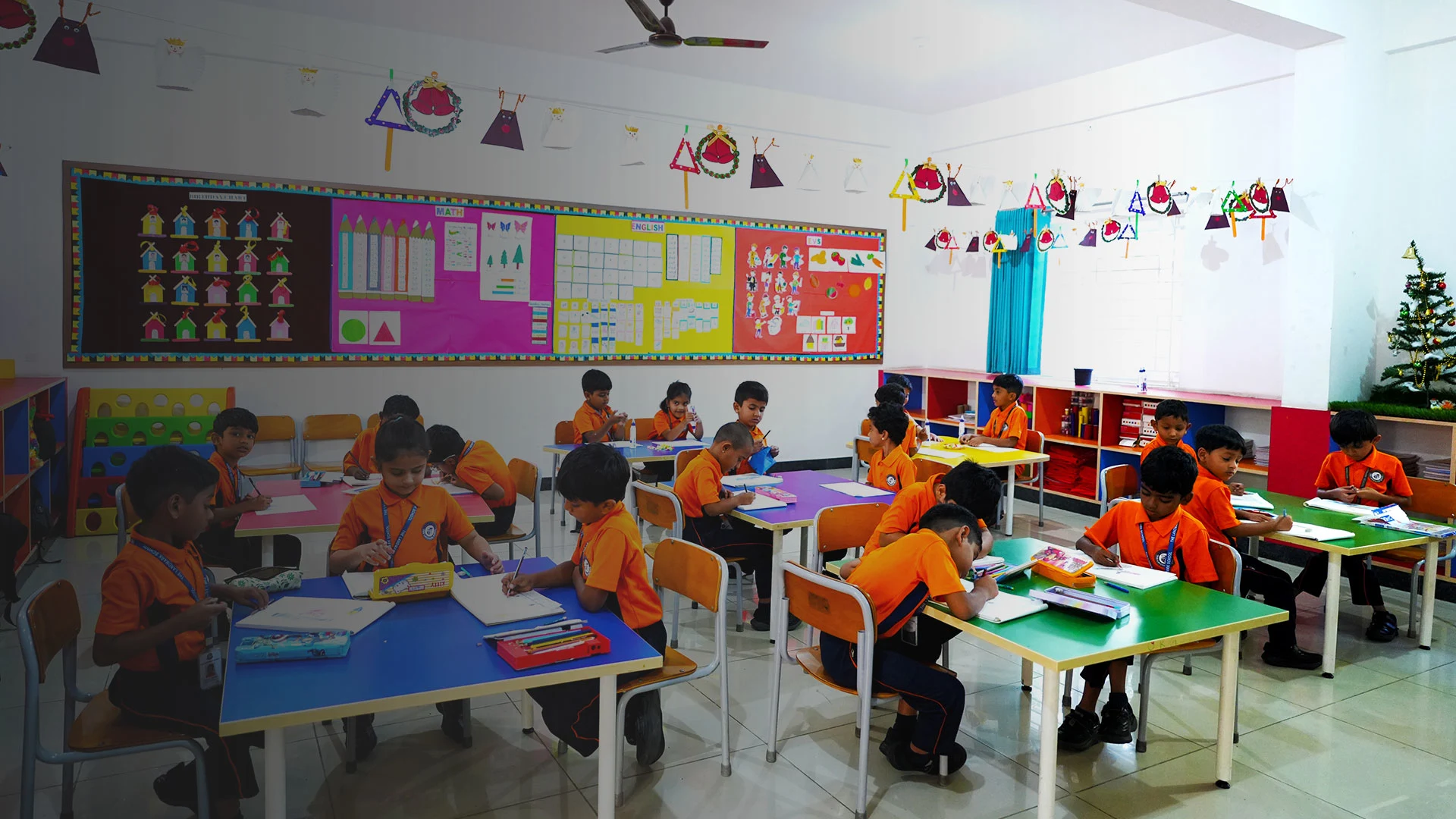
Importance of Early Childhood Education
The importance of early childhood education cannot be overstated. Education provides the optimal environment for the cognitive, emotional, social, and physical growth of a child. A good learning environment helps children become confident speakers who are ready to face school and life challenges.
Introduction
The brain grows most rapidly during the first few years of life, and education provides structure during this critical time. It is estimated that 85% of a child’s brain is developed before the child is 5 years old. Without education, children miss the opportunity to unlock this massive potential.
Importantly, early education isn’t only about learning numbers and letters. It is about providing children with the tools to learn, nurturing their existing curiosities, and providing the emotional safety to drive learning.
What Is Early Childhood Education?
Beginning at the age of 2, children can begin to attend early education programs. The programs offer children their first introduction to organized education and typically last until children are 6 years old. These programs place a big emphasis on teaching children:
- Development of social and emotional skills
- Development of language and effective communication
- Development of basic math and reading skills
- Helping children improve their movement and coordination skills
- Development of imaginative and creative
The skills developed during early education are critical for a child’s future educational and social success.
Why Is Early Childhood Education Important?
- Building Strong Learning Foundations
Children learn better reading, writing, and math skills when they are engaged in structured and formal learning environments. They learn how to adapt to classroom learning and formal schooling.
- Improved Social Skills
Children learn how to communicate, share, be empathetic, and resolve disputes. This will help them build positive social relationships for the rest of their lives.
- Communication and Confidence
Due to their participation in group activities, discussions, and storytelling, they increase their confidence and learn how to express their ideas.
- Embracing Curiosity and Creative Thinking
Learning and exploring through play, children will develop the ability to think critically, ask questions, and explore. This will help them develop their problem-solving skills and think critically from a young age.
- Emotional Development
Children learn better self-control and better emotional stability when they feel secure and valued. Early emotional stability leads to better concentration and resilience.
Why is early childhood education significant?
Early childhood education is significant because it enhances brain development, fosters better communication and social skills, strengthens emotional security, and develops children’s long-term academic and personal success.
How The Landmark School Supports Early Learners?
At The Landmark School, we combine early childhood education, academics, and values. The School emphasises:
- Safe and child-friendly classrooms
- Activity-based learning
- Individual attention
- Value-based learning
- Teamwork between parents and school
The aim is to help the child learn and discover their interests and strengths while instilling courtesy, discipline, and independence.
The Landmark School follows a structured, child-focused approach designed to support important early developmental milestones. With trained teachers, a safe campus, and a well-planned curriculum, children receive the right guidance during their foundational years. The school also values regular communication with parents to ensure balanced growth.
This dedication to caring and guiding young children makes The Landmark School a trusted choice for early childhood education.
Conclusion
Early childhood education is not just about learning to get ready for school. It is preparing for the entire span of a child’s life. It is the habits, confidence, emotional security & resilience, and the curiosity that gets ignited in the formative years of a child that determine the future of that child.
At The Landmark School, we understand the importance of this, and we guide our children with a lot of care, a lot of creativity, and a lot of intention to help build a strong and solid academic and personal foundation.
The best possible start in life for your child is at The Landmark School. Enroll Now.
FAQs
- When do children need early education?
Depending on individual readiness and developmental milestones, children typically need early education from ages 2-3 years.
- How does early education affect academic success later in life?
Early education positively impacts children’s academic success later in life. It also makes the transition to primary school easier.
- What are the benefits of play-based learning?
Play-based learning is beneficial in keeping children engaged, enhancing emotional development, and improving creativity and problem-solving.
- How does early childhood education support emotional development?
Early childhood education promotes emotional development by providing a secure, encouraging environment where children practice self-expression, empathy, patience, and confidence.
References
- UNESCO (2022). Why Early Childhood Care and Education Matters.
- National & international research studies on early childhood brain development and foundational learning.