
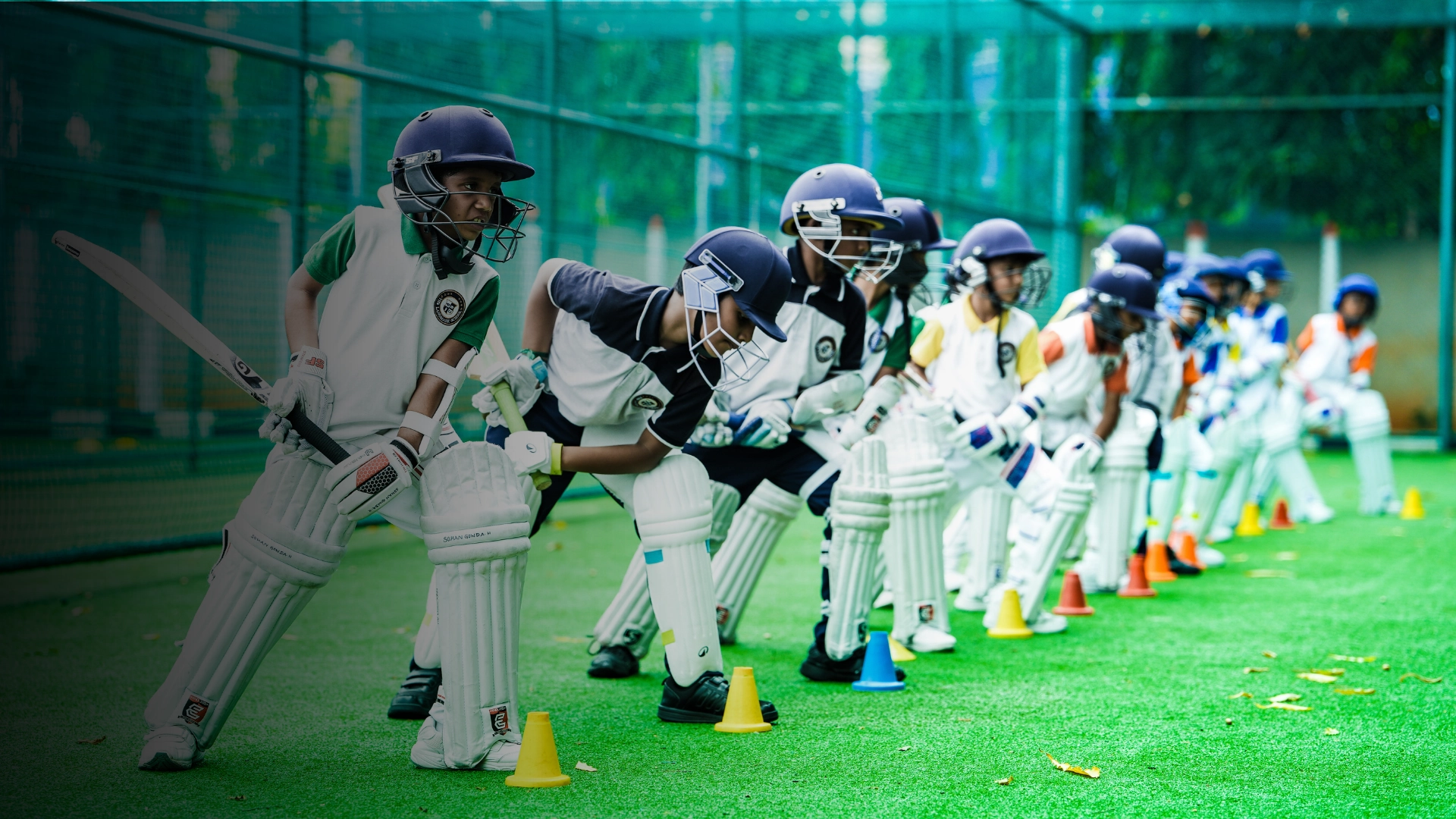
Top 10 Benefits of Sports Facilities in Schools for Student Development
The benefits of sports facilities in schools go beyond physical fitness. Good sports infrastructure gives students opportunities to stay active, build confidence, learn teamwork, manage stress, and develop discipline. From playgrounds and courts to spaces for physical education, these facilities can support children’s physical, social, emotional, and academic development.
Why Are Sports Facilities Important in Schools?
School is not just a place for academic learning. Children also need opportunities to move, play, interact, and discover their interests. Sports facilities help make physical activity a regular part of school life.
The World Health Organization recognises that physical activity supports children’s bone health, muscle development, fitness, and mental well-being. Schools can help students develop healthy habits by providing safe and inclusive opportunities to participate in sports.
Here are 10 important ways sports facilities contribute to student development.
10 Benefits of Sports Facilities in Schools
1. Support Physical Growth and Fitness
Running, jumping, stretching, and playing sports help children develop strength, coordination, balance, and endurance. Regular physical activity also supports healthy bone and muscle development.
For example, playing football involves running and coordination, while activities such as jumping and skipping help develop movement skills.
Suitable school sports facilities make it easier for students to participate in physical activities throughout the school year.
2. Improve Concentration and Classroom Engagement
Physical activity can help students return to classroom tasks feeling refreshed and ready to learn. Movement breaks and physical education provide opportunities to step away from prolonged sitting.
The US Centers for Disease Control and Prevention (CDC) notes that physical education can support classroom engagement and academic performance. However, sports participation alone does not guarantee higher marks; learning also depends on teaching, study habits, and other factors.
3. Build Teamwork and Cooperation
Team sports teach children how to work towards a shared goal. Students learn to communicate, follow rules, share responsibilities, and support their teammates.
Consider a basketball game. Players must pass the ball, coordinate their movements, and make decisions together. These experiences can help students understand cooperation in situations beyond the playground.
4. Develop Discipline and Time Management
Sports encourage students to practise regularly, follow instructions, and work towards improvement. They also learn that progress often takes time and consistent effort.
Students who participate in organised sports may need to balance practice, schoolwork, and rest. With appropriate guidance, this can help them develop planning and time-management habits.
5. Strengthen Confidence and Self-Esteem
Trying a new sport can feel challenging at first. Learning a skill, completing a race, or contributing to a team can help students become more confident in their abilities.
Importantly, confidence should not depend only on winning. Teachers can encourage students to recognise personal progress, effort, and improvement, regardless of their performance compared with others.
6. Encourage Emotional Well-Being
Physical activity can support mood and mental well-being. Playing sports also gives students opportunities to enjoy themselves, interact with peers, and take a break from academic routines.
Sports do not replace professional support when a child is experiencing emotional difficulties. However, enjoyable physical activity can be one part of a balanced approach to student well-being.
7. Teach Resilience and How to Handle Setbacks
Not every match ends in victory, and not every attempt succeeds. Sports give students opportunities to experience disappointment, reflect on mistakes, and try again.
For example, a student who misses a goal can learn to review their technique and practise rather than give up. With supportive coaching, these experiences can encourage persistence and a healthier attitude towards challenges.
8. Improve Communication and Leadership Skills
Sports create situations where students need to give instructions, listen to teammates, make decisions, and resolve disagreements.
A student leading a team activity may learn to encourage others, distribute responsibilities, and make decisions under pressure. Other students develop communication skills by sharing ideas and working together.
Leadership opportunities should be available to different students, not only those who are already skilled athletes.
9. Encourage Healthy Habits Beyond School
Access to school sports facilities can introduce children to activities they may continue enjoying outside the classroom.
Students might discover an interest in badminton, basketball, running, football, or other forms of exercise. Developing an enjoyable routine early can encourage them to remain active as they grow older.
The aim is not to make every child a competitive athlete. It is to help each student find suitable ways to stay active.
10. Provide Opportunities for Different Interests and Abilities
Not every student enjoys the same sport. A school that offers varied activities can give children more opportunities to find something they enjoy.
For example, some students may prefer team games, while others enjoy individual activities or non-competitive exercise.
Accessible spaces, suitable equipment, age-appropriate activities, and encouragement from teachers can help more students participate. This is an important consideration when evaluating sports facilities in Bangalore schools.
What Sports Facilities Should Parents Look for in a School?
When comparing schools, parents should look beyond the size of the playground. The usefulness of a facility also depends on safety, maintenance, student access, and how activities are organised.
Consider these questions during a school visit:
- Range of activities: Are students offered different sports and physical activities?
- Suitable spaces: Are the available areas appropriate for the activities and students’ age groups?
- Safety: Are equipment, playing surfaces, and activity rules properly maintained?
- Supervision: Are students guided by responsible staff during sports activities?
- Participation: Do opportunities extend to beginners and students with different abilities?
- Regular access: How often do students use the facilities during the school week?
Parents should also ask how physical education fits into the timetable and whether students have opportunities to participate beyond occasional sports events.
Read More: Indoor vs. Outdoor sports activities in schools. What’s better?
How The Landmark School Can Support a Balanced School Experience?
When choosing a school, parents should consider how it balances academic learning with physical activity, creative interests, and social development.
The Landmark School, located in Rampura, Bengaluru, is an option parents can explore when comparing schools in the area. During a campus visit, families can ask about available sports facilities, the physical education timetable, student participation, and the activities offered to different age groups.
These questions help parents understand how sports and physical activity fit into students’ everyday school experience rather than judging a school by its facilities alone.
Conclusion
Sports facilities play an important role in shaping a child’s overall development by encouraging physical fitness, teamwork, discipline, confidence, and emotional well-being. When choosing among the best CBSE schools in Bangalore, parents should look for schools that provide opportunities for students to balance academics with sports, physical activities, and personal interests.
The Landmark School in KR Puram, Bengaluru, is worth exploring as parents evaluate schools that support a balanced learning experience. Visit the campus or Contact The Landmark School to learn more about its facilities, student activities, and admission opportunities.
Key Takeaways
- Sports facilities support physical fitness, coordination, and healthy habits.
- Team games help students practise cooperation, communication, and leadership.
- Regular physical activity can support concentration and emotional well-being.
- Safe, inclusive facilities give students with different interests more ways to participate.
- Parents should ask about facility maintenance, supervision, activity choices, and how often students use sports spaces.
Frequently Asked Questions (FAQs)
1. What are the main benefits of sports facilities in schools?
Sports facilities provide opportunities for physical activity, teamwork, confidence-building, discipline, communication, and the development of healthy habits.
2. How do sports facilities help students academically?
Physical activity can support concentration, classroom engagement, and some aspects of cognitive performance. However, sports alone do not guarantee better academic results.
3. Why is sports infrastructure important in schools?
Suitable sports infrastructure gives students space and equipment to participate in physical education and recreational activities more regularly and safely.
4. What sports facilities should a good school have?
Useful facilities depend on students’ ages and interests. Parents can look for suitable play areas, safe equipment, varied activities, and appropriate supervision.
5. Do school sports help develop leadership skills?
Yes. Team activities can give students opportunities to communicate, make decisions, take responsibility, and encourage others.
6. How can parents evaluate sports facilities in Bangalore schools?
Visit the campus, ask which activities are available, check safety and maintenance, and find out how often students use the facilities during school hours.