How to Discipline Generation Alpha: Effective Parenting Strategies for the Digital Age
Generation Alpha is growing up in a world of smartphones, instant information, smart devices and constant digital stimulation. They are naturally comfortable with technology, curious about the world, and often expect quick answers. For parents, this can make traditional discipline methods less effective.
So, how to discipline Generation Alpha effectively? The answer is not stricter punishment. It is about setting clear boundaries, explaining the reasons behind expectations, staying consistent, and helping children develop patience, responsibility, and emotional awareness.
Who Is Generation Alpha?
Generation Alpha generally refers to children born after 2012. They are the first generation to grow up entirely in the 21st century, surrounded by smartphones, smart TVs and other digital technologies from an early age.
Because information is available almost instantly, Gen Alpha children may absorb information quickly and naturally move between different interests and activities. However, constant digital stimulation can also make patience, boredom, delayed gratification and emotional regulation more challenging.
This is why Generation Alpha parenting requires a balance between understanding their digital world and helping them build important life skills.
Why Does Discipline Look Different for Generation Alpha?
For Gen Alpha, rules are often met with a simple question: “Why?”
They have grown up with access to information at their fingertips, so simply saying “because I said so” may not always help them understand an expectation. They respond better when adults explain the purpose behind a rule and involve them in understanding its importance.
Discipline should therefore be viewed as guidance rather than punishment. It can help children develop patience, resilience, responsibility and self-control.
The goal is not to control every behaviour. It is to gradually help children learn how to make responsible choices on their own.
How to Discipline Generation Alpha Effectively?
1. Connect Before You Correct
Understand your child’s feelings before correcting their behaviour. Acknowledge their emotions while maintaining clear boundaries, such as explaining why screen time must end.
2. Explain the Reason Behind Rules
Help children understand why rules matter. For example, explain that avoiding phones during dinner encourages family conversations and quality time.
3. Set Clear and Consistent Boundaries
Establish simple routines, such as completing homework before screen time, avoiding devices during meals and bedtime, and making time for outdoor activities. Consistency helps children understand expectations.
4. Use Calm Correction Instead of Shouting
Correct behaviour calmly rather than reacting with anger. Explain what went wrong and guide children towards better choices without making them feel criticised.
5. Praise Responsible Behaviour
Recognise specific positive actions, such as completing homework on time or following screen-time rules. Positive reinforcement encourages children to repeat responsible behaviours.
6. Give Choices Within Limits
Offer children choices while maintaining expectations. For example, let them decide whether to start homework with maths or reading. This encourages independence and decision-making.
7. Let Children Experience Natural Consequences
Allow children to understand how their choices affect outcomes. For example, delaying homework may leave less time for recreational activities, helping them develop accountability.
8. Encourage Life Beyond Screens
Balance digital activities with reading, sports, creative hobbies, outdoor play and family time. These experiences develop patience, teamwork, communication and independence.
What Role Does School Play in Disciplining Generation Alpha?
Discipline is not only a responsibility of parents. School also plays an important role in helping children develop habits, responsibility and social skills.
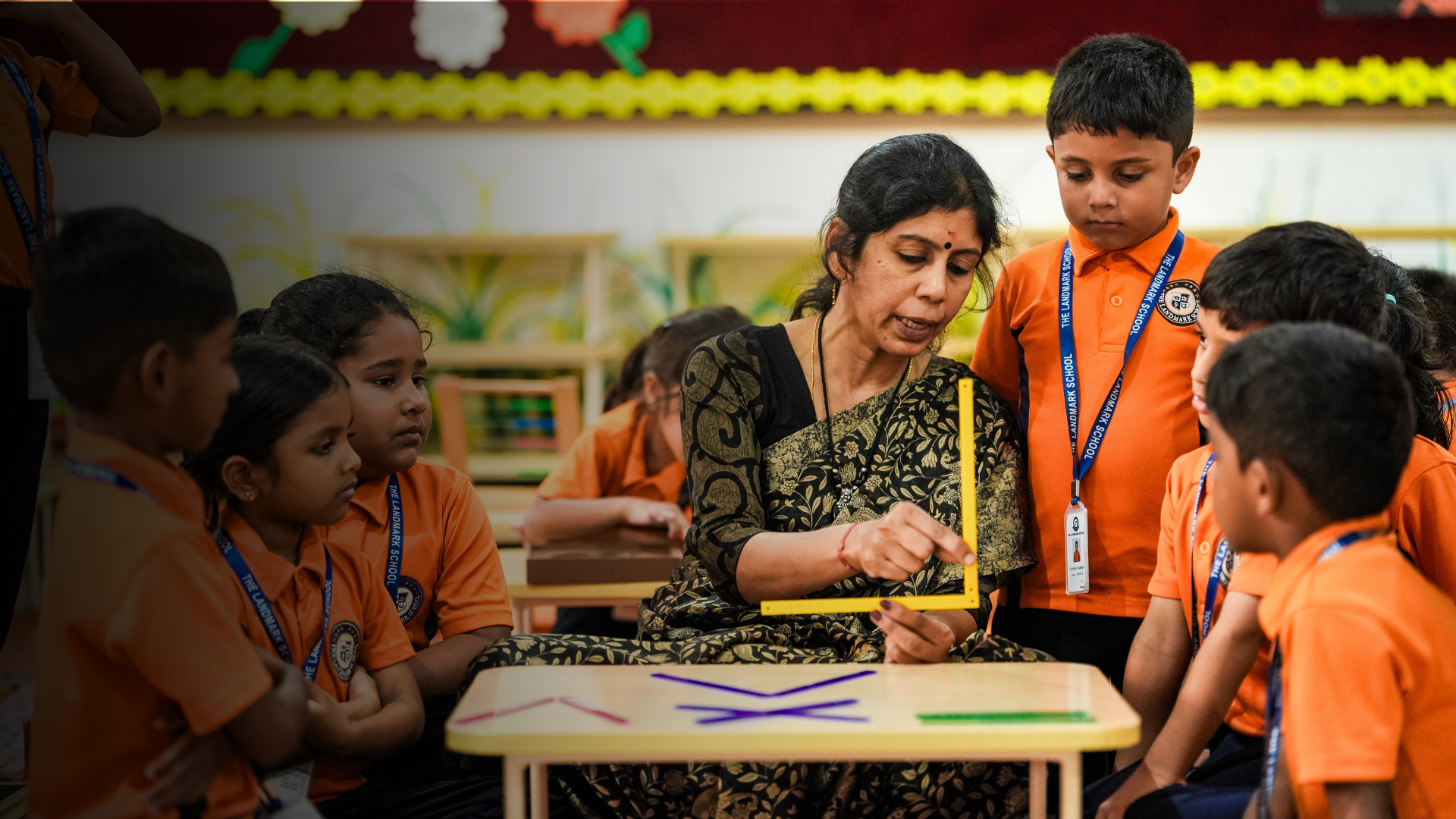
A supportive school environment can give children opportunities to work with others, follow routines, participate in activities, take responsibility and learn from mistakes.
At The Landmark School, parents can look for an approach to education that goes beyond academics and gives children opportunities to develop confidence, curiosity, communication and responsible behaviour. Classroom routines, collaborative activities, sports, creative learning and everyday responsibilities can help children understand that discipline is not simply about following instructions, it is about learning how to manage themselves and work respectfully with others.
Parents and Schools Can Work Together
The most effective discipline strategies for parents do not have to stop at home. Parents and teachers can work together by maintaining consistent expectations around responsibility, respectful communication, routines and behaviour.
Regular communication can also help adults understand what a child may be experiencing and identify areas where the child needs more support.
The goal is not to make every child behave in exactly the same way. It is to help children gradually develop the ability to make thoughtful decisions, handle disappointment, respect boundaries and take responsibility for their actions.
Read more- Why is a parent’s involvement important in a child’s education?
Frequently Asked Questions(FAQs)
How do you discipline Generation Alpha?
Use clear boundaries, consistent routines, calm correction and positive reinforcement. Explain why rules exist and allow children to make appropriate choices within those boundaries.
Why is traditional discipline less effective for Gen Alpha?Generation Alpha children are accustomed to immediate access to information and often question the reasons behind rules. Explaining expectations and connecting with children can make discipline more meaningful.
How can parents set boundaries for children around screens?
Create simple routines such as no phones during meals, homework before recreational screen time, device-free bedtime and regular digital breaks.
Should parents completely restrict technology?
Not necessarily. Technology is part of Generation Alpha’s world. The focus should be on creating a healthy balance so screens do not replace sleep, family time, physical activity, reading, play or responsibilities.
How can schools support discipline?
Schools can provide routines, responsibilities, group activities and opportunities for children to practise communication, teamwork, independence and respectful behaviour.
Key Takeaways
Learning how to discipline Generation Alpha is less about becoming stricter and more about becoming consistent, calm and intentional. Children need boundaries, but they also need adults who listen, explain and guide them.
Looking for a school that encourages discipline and holistic development? The Landmark School nurtures confidence, responsibility and strong values, helping children grow into well-rounded individuals. Contact us today to learn more about our approach to education and admissions!